Best of Friends: The Gut & Brain
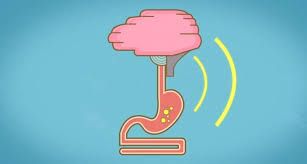
So often we hear that phrase “you are what you eat”. This phrase is so common but holds so much truth. This doesn’t just ring a bell regarding physical food and what we taste but also what we feed ourselves through sight, audio, smell and touch. Everything we let it has an impact on our brains and our bodies.
The thing that tantalises our taste buds – food. Your brain literally controls your body. It controls your thoughts, emotions, movements relaying messages through the nervous system. Thus it needs to be fed high-quality foods packed with vitamins, minerals and so forth. It can be easy to grab that packet of instant noodles or enjoy a packet of crisps especially as they are cheaper and more convenient. However, putting this into your body constantly isn’t giving your brain the nutrients it needs. In fact, many studies have shown that diets that consist highly of things such as sweets, processed meats, foods high in fat and not enough vegetables or fruit can be linked to a risk of depression. Having a healthy nutritious diet boosts serotonin and dopamine levels. Serotonin is a hormone that regulates a person’s mood and appetite. Dopamine also regulates mood and is responsible for the feeling of pleasure.
Healthy foods that boost serotonin & dopamine:
- Unprocessed meats such as chicken or turkey
- Eggs
- Seeds & Nuts
- Dark Green vegetables such as Kale or Spinach
- Fruit and Vegetables
- Dark Chocolate (if you must have that cheeky snack!)
“The bacteria in our guts can break down food the body can’t digest, produce important nutrients, regulate the immune system, and protect against harmful germs. And while we can’t control all the factors that go into maintaining a healthy gut microbiome, we can manipulate the balance of our microbes by paying attention to what we eat” Shilpa Ravella
Microbiomes are important as they help to regulate our immune system, protect against diseases and produce vitamins and minerals we need. In our gut, microbiomes, help us to digest foods and also produce chemicals that create and alter our metabolic rates. Studies have also shown that microbes are responsible for an increased level of serotonin in our guts. Did you know that around 90% of the serotonin in our bodies is found in our gut? When I say what you eat affects your mood – I mean it! There are other factors that can affect the health of your gut but what we consume is within our control.
This also works the other way around. Your brain and your gut are linked together. Your mental wellbeing and emotional state can also have an effect on your gut and throw it off balance so that it isn’t creating those healthy gut microbiomes anymore and what happens? Our levels of serotonin decrease. But that’s not all –
When you’re feeling anxious, depressed, stressed, irritable; all of these emotional states and more can cause things such as nausea, abdominal cramps, pains in your gut and even irritable bowel syndrome.
This means managing yourself and emotions wisely. Learning to destress. Finding ways and healthy coping mechanisms for when you’re sad. Seeking help when you’re anxious or depressed. It’s also not just about the physical food. What you watch, listen to, your interactions and environment all have an effect either on your mental state or your gut and as we know now, the two are very much intertwined!
This post was brief, but my intention was to highlight the connection between your gut and your brain and the importance of watching what you eat and taking care of your mental wellbeing.
References
Hair, M. & Sharpe, J., n.d. Fast Facts About The Human Microbiome. [Online]
Available at: https://depts.washington.edu/ceeh/downloads/FF_Microbiome.pdf
[Accessed October 2020].
Naidoo, U., 2018. Gut feelings: How food affects your mood. [Online]
Available at: https://www.health.harvard.edu/blog/gut-feelings-how-food-affects-your-mood-2018120715548
[Accessed October 2020].
Ravella, S., 2017. How the food you eat affects your gut. [Online]
Available at: https://ed.ted.com/lessons/how-the-food-you-eat-affects-your-gut-shilpa-ravella
[Accessed October 2020].
Selhub, E., 2015. Nutritional psychiatry: Your brain on food. [Online]
Available at: https://www.health.harvard.edu/blog/nutritional-psychiatry-your-brain-on-food-201511168626
[Accessed October 2020].
Tello, M., 2018. Diet and Depression. [Online]
Available at: https://www.health.harvard.edu/blog/diet-and-depression-2018022213309
[Accessed October 2020].
Make sure you check out my latest video:
https://youtu.be/QTgF-1p5Qtc